
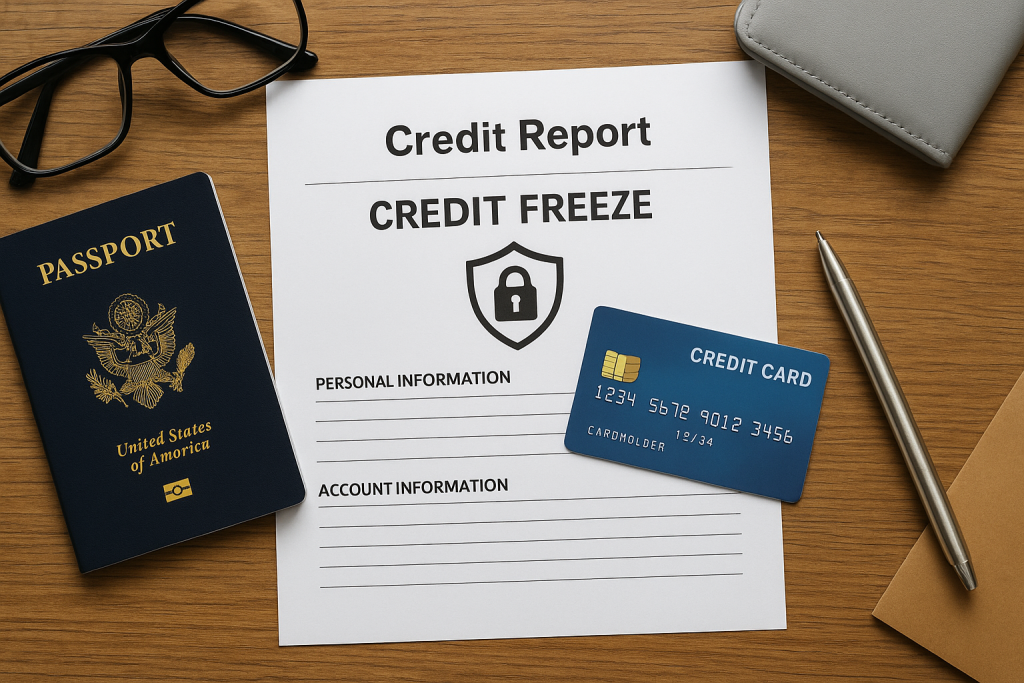
Identity theft can create problems long before you notice a suspicious charge. A criminal may use stolen personal information to apply for a credit card, auto loan, apartment lease, or utility account in your name. One of the strongest preventive tools available is to freeze your credit with the major credit bureaus.
A credit freeze does not erase identity theft risk, but it can make it much harder for someone to open most new credit accounts using your information. It is free, generally quick to set up, and remains in place until you choose to lift or remove it. This guide explains how freezes work, when to use one, how to temporarily lift one before applying for credit, and what other safeguards should be part of your plan.
Contents
- 1 Why You May Want to Freeze Your Credit Now
- 2 Make Smarter Money Moves
- 3 What Happens When You Freeze Your Credit
- 4 How to Freeze Your Credit With All Three Bureaus
- 5 How to Temporarily Lift a Credit Freeze Before Applying
- 6 Credit Freeze, Fraud Alert, and Credit Monitoring: Know the Difference
- 7 Steps to Take If You Suspect Identity Theft
- 8 Protecting Children, Older Adults, and Vulnerable Family Members
- 9 Common Mistakes That Can Weaken Your Protection
- 10 Frequently Asked Questions About Credit Freezes
- 10.1 Does it cost money to freeze your credit?
- 10.2 Will a credit freeze hurt my credit score?
- 10.3 How long does a credit freeze last?
- 10.4 Can I freeze my credit if I am applying for a mortgage soon?
- 10.5 Is a fraud alert better than a credit freeze?
- 10.6 Can someone still steal my identity after I freeze my credit?
- 11 Take Control of Your Credit File Before You Need It
Why You May Want to Freeze Your Credit Now
When a lender reviews an application for a new credit card, mortgage, personal loan, or auto loan, it commonly checks one or more of your credit reports. If you freeze your credit, the bureau generally will not release that report to a new creditor unless you first lift the freeze.
That matters because opening a new account can be more damaging than a single fraudulent purchase. Unauthorized credit can lead to collection notices, missed-payment records, hard inquiries, and time-consuming disputes. A freeze creates a barrier at the point where many new-account fraud attempts begin.
Credit freezes are especially worth considering if:
- Your Social Security number, driver’s license, tax documents, or financial account information was exposed in a breach or scam.
- You have received a suspicious credit alert, loan offer, collection notice, or account statement.
- You do not expect to apply for new credit soon.
- You want a default layer of protection even though no fraud has occurred.
- You are protecting a child, an older relative, or another person who is unlikely to apply for credit regularly.
You do not need proof that your identity has been stolen to place a freeze. In many cases, it is a preventive decision. If you are already working to stabilize your finances, protecting your credit file can complement practical habits such as building an emergency fund while living paycheck to paycheck. A cash reserve cannot prevent fraud, but it can help you handle the disruption if an account is compromised or a card must be replaced.
Key takeaway: A freeze is most useful before an identity thief attempts to open a new account. It does not require a fraud incident to be worthwhile.
What Happens When You Freeze Your Credit
To freeze your credit means placing a security freeze on your consumer credit report. The three nationwide credit bureaus are Equifax, Experian, and TransUnion. Because a lender may check any one of them, freezing only one report leaves gaps. For the broadest protection, place a freeze with all three.
Under federal law, placing and lifting a security freeze is free. The process is usually available online, by phone, or by mail. The Federal Trade Commission’s overview of credit freezes and fraud alerts explains the basic protections and differences between these tools.
A security freeze generally prevents a new creditor from accessing the frozen report. If the creditor cannot review your credit file, it will usually be unable to approve a new account until you authorize access.
What a credit freeze can help prevent
A freeze can reduce the risk of fraudulent applications for products that typically require a credit pull, including credit cards, personal loans, auto loans, mortgages, retail financing, and certain wireless or utility accounts. It may also discourage criminals who are looking for easy opportunities to exploit exposed personal data.
It is not a guarantee. A creditor may use a different consumer-reporting agency, and some fraud may occur without a traditional credit check. Still, a freeze is widely considered one of the strongest available tools against new-account identity theft.
What a credit freeze does not stop
A security freeze does not stop unauthorized charges on an existing credit card or withdrawals from an existing bank account. It does not prevent phishing emails, tax-return fraud, medical identity theft, account takeovers, or someone using a stolen debit card. It also does not close your credit accounts or cancel automatic payments.
Your current creditors can generally continue to access your report for account management, collection activity, and other permitted purposes. Insurance companies, employers, landlords, and government agencies may also have access in specific situations allowed by law. In other words, a freeze limits new-credit access; it is not a complete privacy lock.
How to Freeze Your Credit With All Three Bureaus
The safest approach is to contact each nationwide bureau directly through its official website, verified phone number, or mailing address. Avoid using links in unexpected emails or text messages, even if they appear to mention a breach. Instead, type the bureau’s name into your browser or use contact information from a trusted consumer-protection source.
When you freeze your credit, you will typically need to provide identifying details, such as your name, address, date of birth, and Social Security number. The bureau may ask questions based on information in your report to verify your identity.
Follow this practical setup process
- Start with one bureau and complete the request. Create an online account only through the bureau’s official site, or use its verified phone or mail process.
- Save your confirmation. Keep the confirmation number, account details, and any personal identification number in a secure password manager or locked physical location.
- Repeat the process with the other two bureaus. A request at one bureau does not automatically freeze the other two.
- Confirm your contact information. Use an email address and phone number that you monitor. Accurate contact details make account recovery easier later.
- Set a calendar reminder. Note where you stored your confirmations and how to access the accounts before you need a loan or new card.
Do not email your Social Security number, photographs of identification, or freeze credentials to anyone claiming to assist you. A legitimate bureau may have a secure upload system when documentation is required, but it will not need you to share sensitive documents through an unverified channel.
For a plain-language explanation of your options, the Consumer Financial Protection Bureau’s credit freeze guidance explains how a freeze restricts access to your report and how it differs from other monitoring tools.
How to Temporarily Lift a Credit Freeze Before Applying
A freeze is designed to be manageable, not permanent in every situation. You can temporarily lift it for a specific period, remove it entirely, or sometimes grant access to a particular creditor. The available options can vary by bureau and application method.
Before you freeze your credit, understand the trade-off: you will need to plan ahead when you want new credit. If you expect to apply for a mortgage, auto loan, apartment, phone plan, or credit card, lift the freeze before the business checks your file.
Ask which bureau the creditor will use
When possible, ask the lender, landlord, or service provider which credit bureau it plans to check. Some businesses cannot tell you in advance, and some may check more than one bureau. If you do not know which report will be pulled, you may need to temporarily lift freezes at all three.
Consider a hypothetical example: Maya is shopping for an auto loan and expects a dealer to run her credit on Saturday. On Thursday, she asks the dealership which bureau it commonly uses. The dealer says it may use more than one source. Maya schedules temporary lifts at all three bureaus from Friday through Monday. That gives the lender time to process the application while limiting the period her reports are available.
A timed lift is usually safer than permanently removing a freeze. If your lender needs more time, you can extend the window. Keep in mind that a lender may perform a second check if your application takes longer than expected, especially for mortgages or other complex financing.
Do not confuse a freeze lift with a credit-report dispute
Lifting a freeze only makes your report available for a potential credit check. It does not remove incorrect information, stop a collection account, or reverse fraudulent activity. If you see accounts or inquiries you do not recognize, review the issue separately and begin the identity-theft recovery process.
Federal law allows consumers to obtain free credit reports through AnnualCreditReport.com, the authorized site for free reports from the nationwide credit bureaus. Reviewing your reports lets you spot unfamiliar accounts, addresses, and inquiries that may require action.
Credit Freeze, Fraud Alert, and Credit Monitoring: Know the Difference
These terms are often used interchangeably, but they do different jobs. You may use more than one, depending on your circumstances.
| Tool | Primary purpose | What it does | Important limitation |
|---|---|---|---|
| Credit freeze | Block most new-credit access | Restricts access to your credit report until lifted | You must manage it before applying for new credit |
| Fraud alert | Prompt extra verification | Asks creditors to take additional steps to verify an applicant’s identity | It does not lock your report |
| Credit monitoring | Notify you of certain changes | May alert you to new inquiries, accounts, or report changes | It generally detects activity rather than preventing it |
A fraud alert may be a useful alternative if you expect to apply for credit frequently and do not want to lift a freeze. An initial fraud alert generally lasts one year, while an extended alert may be available to people with a qualifying identity theft report. Unlike a freeze, you usually contact one nationwide bureau to request an alert, and it notifies the others.
Credit monitoring can help you notice changes after they occur. It may be included with a financial account, employer benefit, breach response, or paid service. Review what it actually covers before relying on it. A monitoring service may not watch every credit bureau, every type of consumer report, or all bank-account activity.
For many people, the strongest basic combination is to freeze your credit, review statements regularly, use unique passwords, and enable multifactor authentication on financial accounts. Monitoring can be an added notification layer, not a substitute for secure habits.
Steps to Take If You Suspect Identity Theft
If you discover a credit inquiry, account, bill, or collection notice that you do not recognize, act promptly. Do not assume it is harmless marketing mail, especially if it lists an account number, creditor, or payment due date.
First, contact the company connected to the suspicious activity and explain that the account or transaction may be fraudulent. Ask how to close or secure the account and what documentation it needs. Keep copies of letters, emails, confirmation numbers, and the names of representatives you speak with.
Next, freeze your credit with all three nationwide bureaus if you have not already done so. A freeze will not undo an account already opened, but it can help stop additional new-account attempts while you investigate.
You can also create a recovery plan through IdentityTheft.gov, the federal government’s identity theft reporting and recovery resource. Its process can help you generate steps and documentation tailored to the type of fraud you report.
Check your reports carefully for unfamiliar names, addresses, accounts, inquiries, and collection items. Dispute inaccurate information with the relevant credit bureau and the business that furnished the information. Document dates and outcomes. If a debt collector contacts you about an account that is not yours, request validation and tell the collector that you believe the debt resulted from identity theft.
Identity theft can also affect cash flow. A fraudulent account may create stress at the same time you are handling replacement cards, missed work, or extra transportation costs. Avoid adding unnecessary borrowing if possible. Readers managing balances may also benefit from understanding why credit card debt can become difficult to control, particularly when financial pressure makes high-interest borrowing seem like the only option.
Protecting Children, Older Adults, and Vulnerable Family Members
Children can be targets of identity theft because their Social Security numbers may go unused for years. By the time they apply for student loans, a first apartment, or a credit card, fraudulent activity may have gone unnoticed. Parents and legal guardians may be able to request a security freeze for a child under 16. They may also be able to freeze the file of a protected consumer, such as a person with a legal guardian or conservator.
Requirements differ by bureau, but expect to provide documentation proving your identity, the child’s or protected consumer’s identity, and your authority to act. Check each bureau’s current instructions before mailing documents, and use a secure method if originals or certified copies are required.
Older adults may be targeted through phone scams, romance scams, fake charity requests, or account-takeover attempts. A family member should not take over another adult’s financial accounts without legal authority. Instead, discuss protective steps openly, help them review account alerts, and consider a credit freeze if it fits their situation.
If you help a relative freeze your credit or manage their own freeze, create a simple record of where confirmations are stored. The goal is protection without making legitimate future financial tasks unnecessarily difficult.
Common Mistakes That Can Weaken Your Protection
A security freeze is straightforward, but small oversights can reduce its value. The most common mistake is freezing only one bureau. A criminal may apply with a lender that checks another report, so protect all three nationwide reports for a more complete approach.
Another mistake is storing freeze credentials in an insecure note, email inbox, or photo gallery. Use a reputable password manager, a secure paper file, or both. You should also keep your bureau account recovery information current after moving, changing phone numbers, or changing email addresses.
Some consumers remove a freeze permanently because they are applying for one card or loan. A temporary lift is often a better fit. It gives the creditor access during a defined window while preserving your default protection afterward.
Finally, do not assume a freeze makes account monitoring unnecessary. Review bank and credit-card transactions, turn on transaction alerts where available, and check credit reports periodically. This matters even if you maintain savings in a separate account. Choosing a high-yield savings account while avoiding unnecessary fees can support your savings goals, but account security practices remain essential regardless of where you bank.
Key takeaway: A freeze is most effective when paired with secure passwords, account alerts, report reviews, and a safe method for storing your freeze information.
Frequently Asked Questions About Credit Freezes
Does it cost money to freeze your credit?
No. Federal law requires the nationwide credit bureaus to let consumers place, lift, and remove security freezes for free. Be cautious if a website tries to sell a freeze as a paid product. A paid monitoring service may be offered alongside the request, but it is separate from the free security-freeze option.
Will a credit freeze hurt my credit score?
No. A security freeze does not lower your credit score, close existing accounts, or change the information on your credit report. However, if you forget to lift the freeze before applying for new credit, a lender may be unable to access your report and could delay or decline the application until access is restored.
How long does a credit freeze last?
A credit freeze generally remains in place until you ask the bureau to temporarily lift or permanently remove it. It does not automatically expire after a certain number of months or years. That makes it useful for long-term protection, but you should keep your login details and recovery information accessible.
Can I freeze my credit if I am applying for a mortgage soon?
Yes, but timing matters. You can freeze your credit now and schedule a temporary lift before your lender runs your report. Ask the lender when it expects to check your credit and whether it may use more than one bureau. Mortgage applications can involve multiple checks, so leave enough time for the underwriting process.
Is a fraud alert better than a credit freeze?
Neither is universally better. A fraud alert asks creditors to verify your identity more carefully, while a freeze restricts access to your report unless you lift it. If you rarely apply for credit, a freeze may offer stronger preventive control. If you expect frequent applications, a fraud alert may be more convenient, though it provides less restriction.
Can someone still steal my identity after I freeze my credit?
Yes. A freeze does not stop all identity theft. Someone could still attempt to access existing accounts, file a fraudulent tax return, use stolen information for scams, or commit medical identity theft. When you freeze your credit, you are primarily protecting against many forms of fraudulent new-account activity, not every possible misuse of personal information.
Take Control of Your Credit File Before You Need It
Choosing to freeze your credit is a practical way to reduce the chance that stolen personal information becomes a new loan or credit-card account in your name. The strongest approach is to freeze all three nationwide credit reports, save your confirmation information securely, and use temporary lifts only when you need legitimate credit access.
Keep in mind that a freeze works best alongside routine account reviews, strong passwords, multifactor authentication, and quick action when something looks wrong. Your next step is simple: contact each nationwide credit bureau through its official channel and place a security freeze before a criminal has the opportunity to use your information. For more ways to build resilient financial habits, explore other Financial Flow Now guides.

The FinancialFlowNow Editorial Team creates practical educational guides on debt, credit, saving, retirement, and long-term wealth. Our goal is to explain complex financial topics clearly and help readers make more confident money decisions. Content is provided for educational purposes and is not individualized financial advice.